前沿洞察

Logistics in 2026: navigating a shifting landscape

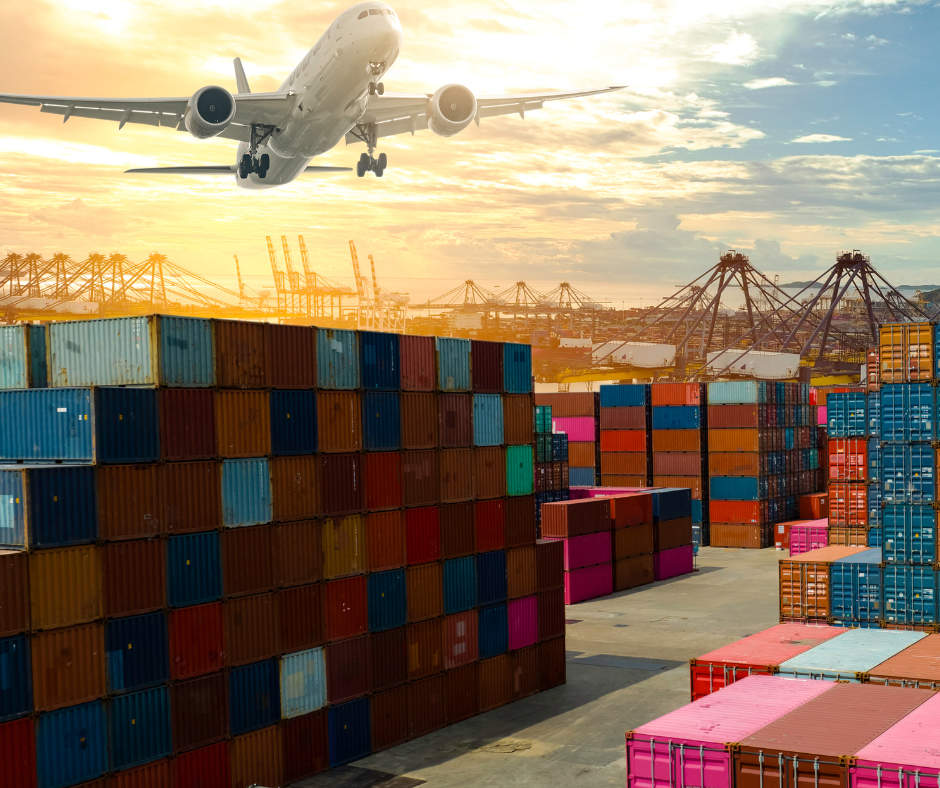
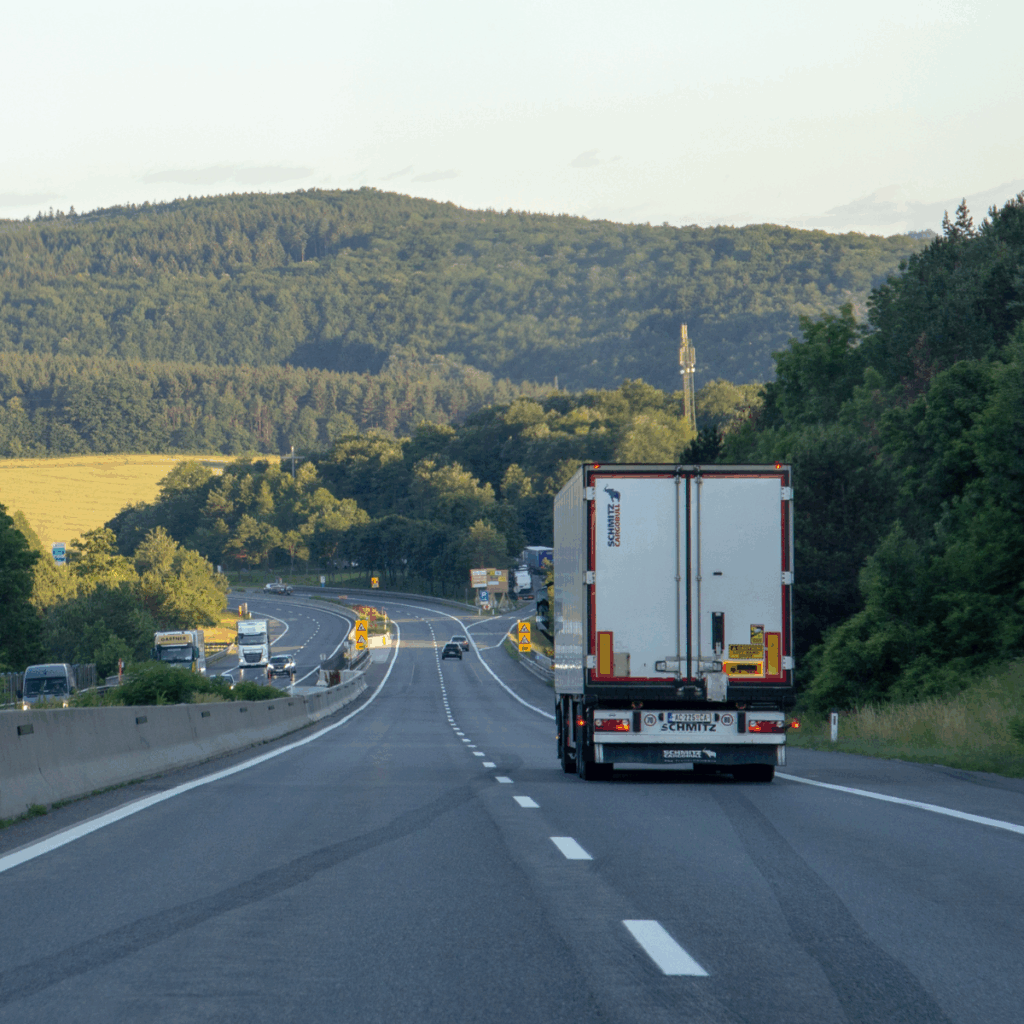
The logistics industry enters 2026 under intense pressure from changing consumer expectations, technological advances, and expanding international trade. Speed and visibility are no longer differentiators – they are baseline requirements. From predictive delivery windows to multi-node network design, logistics partners must deliver reliability while reducing friction in every step of the supply chain. The firms […]

Logistics in 2026: navigating a shifting landscape Read More »

Winter disruption in western European logistics

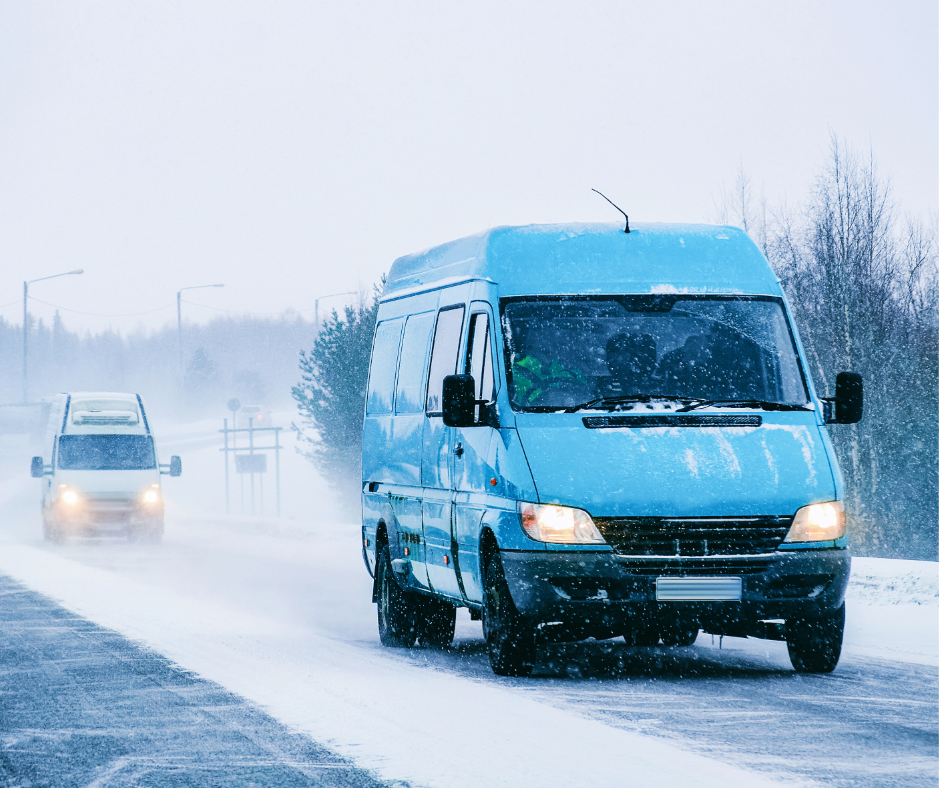
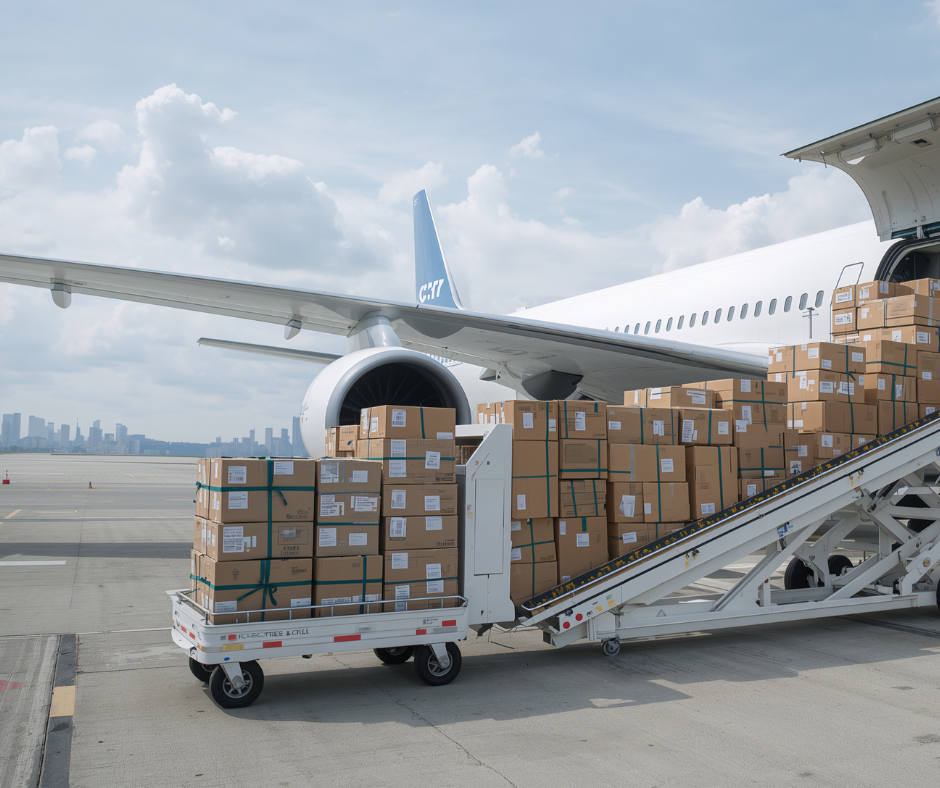
Winter weather puts pressure on logistics networks in western Europe In early January 2026, heavy snowfall and freezing conditions across northwest Europe significantly disrupted transport networks. In the Netherlands and France, airports cancelled hundreds of flights due to snow and ice, stranding passengers and grounding cargo capacity – Schiphol alone saw over 2,500 flight cancellations

Winter disruption in western European logistics Read More »

Sustainable last-mile delivery when volumes are at their highest

Last-mile delivery is one of the most polluting and most expensive parts of the logistics chain. During peak season, the impact becomes even larger: more vans on the road, denser routes, and higher customer expectations. Studies show that last-mile delivery can account for up to 40–50% of total logistics emissions and nearly half of all

Sustainable last-mile delivery when volumes are at their highest Read More »

How smarter planning cuts waste during peak season

Peak season brings higher order volumes, tighter delivery windows, and more pressure on logistics teams. This combination almost always leads to more waste, excess packaging, half-empty trucks, and unnecessary returns. Studies show that e-commerce packaging waste and returns rise sharply in Q4, with oversized boxes and extra filler materials being among the biggest contributors (BusinessWaste

How smarter planning cuts waste during peak season Read More »

From centralized hub models to distributed multi-hub networks

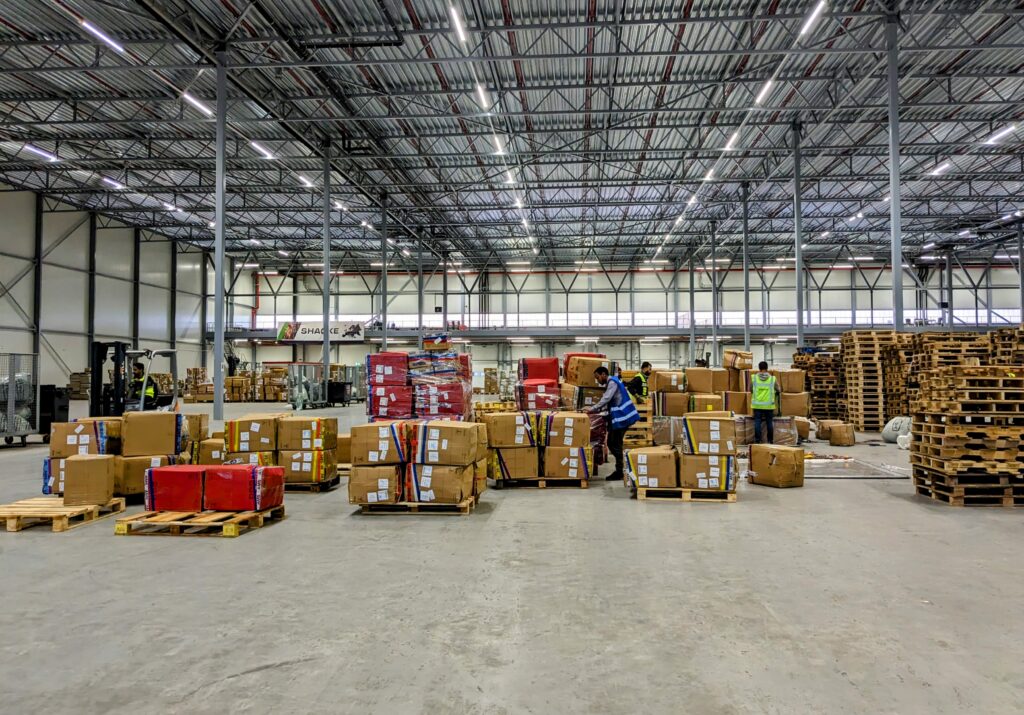
For decades, many logistics networks in Europe have relied on a single-hub model, with goods entering and clearing primarily through the Netherlands, Belgium, or Germany. This approach made sense in an era of relatively stable trade flows and predictable customs rules, offering efficiencies of scale and simplified operations. However, this model is becoming increasingly risky

From centralized hub models to distributed multi-hub networks Read More »

The human-tech equation in logistics

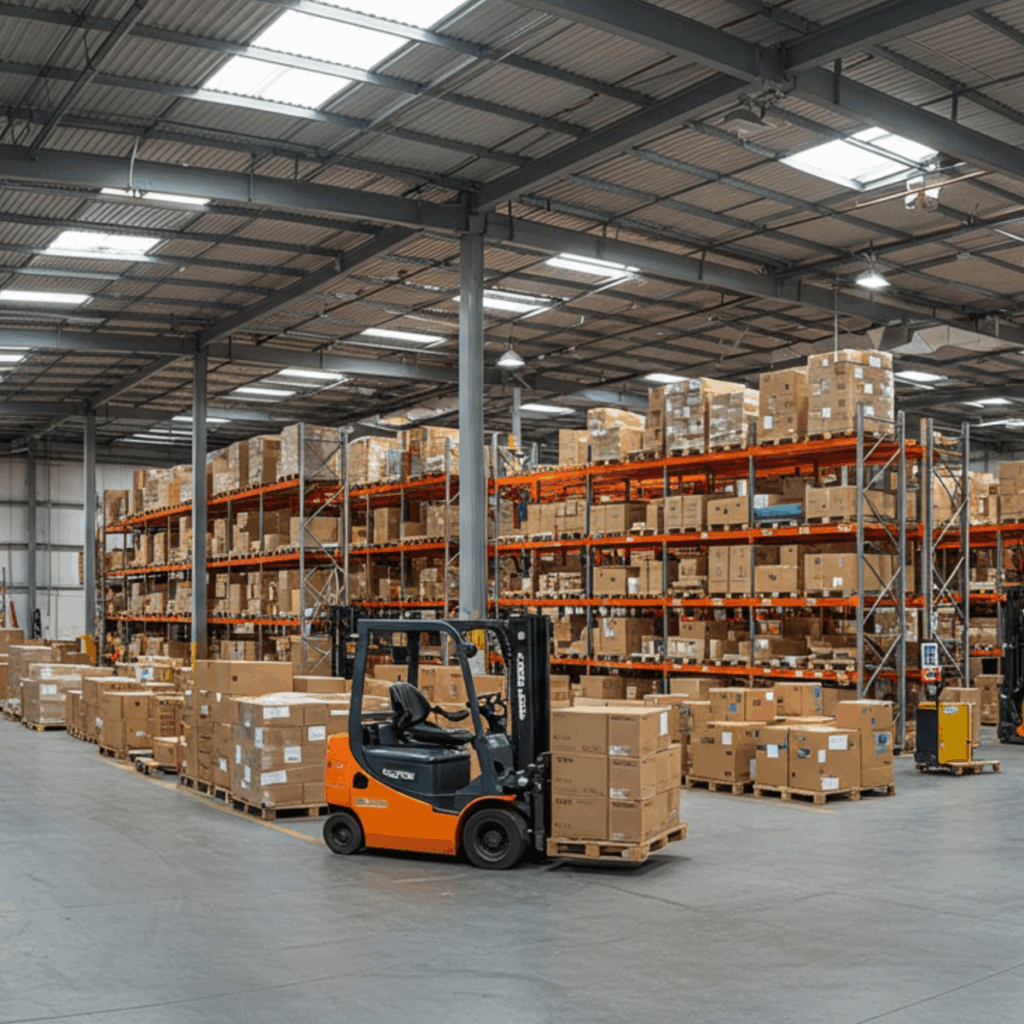
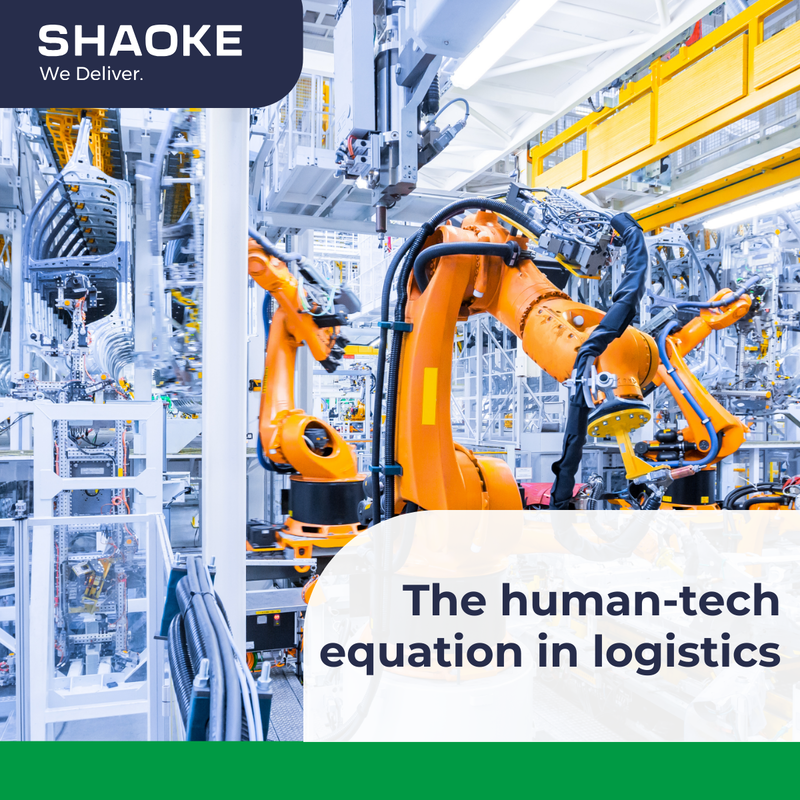
The shift toward warehouse automation is accelerating. According to McKinsey, the global warehouse automation market is expected to grow from $15 billion in 2019 to over $30 billion by 2026. In e-commerce, where speed and accuracy are critical, technologies like autonomous mobile robots (AMRs), automated storage and retrieval systems (AS/RS), and AI-driven warehouse management systems

The human-tech equation in logistics Read More »