
 EN
EN  ZH
ZH 

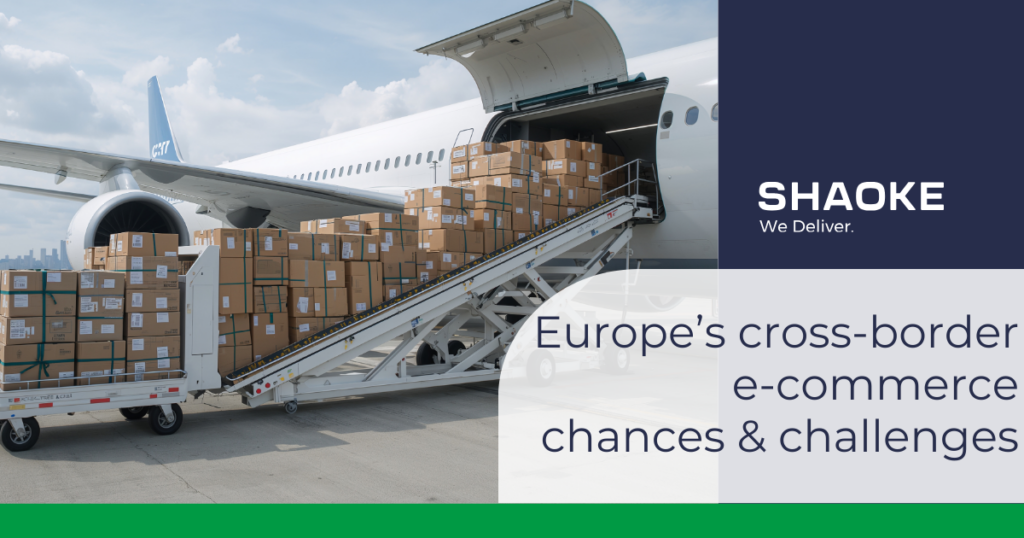
Cross-border e-commerce has become one of the fastest-growing segments of European trade. The scale of inbound parcels has reached unprecedented levels. In 2024, around 4.6 billion low-value parcels (under €150) entered the EU, compared with 2.3 billion in 2023 and 1.4 billion in 2022. In 2025, this volume continued to rise, reaching an estimated 5.8 billion parcels, driven largely by global marketplaces and direct-to-consumer shipping models. These figures show how cross-border e-commerce has shifted from a niche channel to a central pillar of European consumption.
For brands and sellers, the opportunities are significant. Europe offers access to a large, digitally mature consumer base with relatively harmonised infrastructure and strong purchasing power. Cross-border online sales allow companies to expand beyond domestic markets without establishing physical retail networks. At the same time, regional warehousing, local fulfilment, and advanced logistics solutions are increasingly used to improve delivery speed and customer experience, strengthening competitiveness in a crowded market.
However, rapid growth also brings structural challenges. Customs authorities are under pressure due to the sheer volume of parcels, with millions of shipments processed daily and a high share of undervalued or non-compliant goods. More than 90 % of low-value parcels entering the EU originate from outside the Union, particularly from China. This has intensified concerns about unfair competition, product safety, environmental impact, and the capacity of existing customs systems. For logistics providers, this translates into increasing complexity in customs clearance, data quality requirements, and last-mile delivery operations.
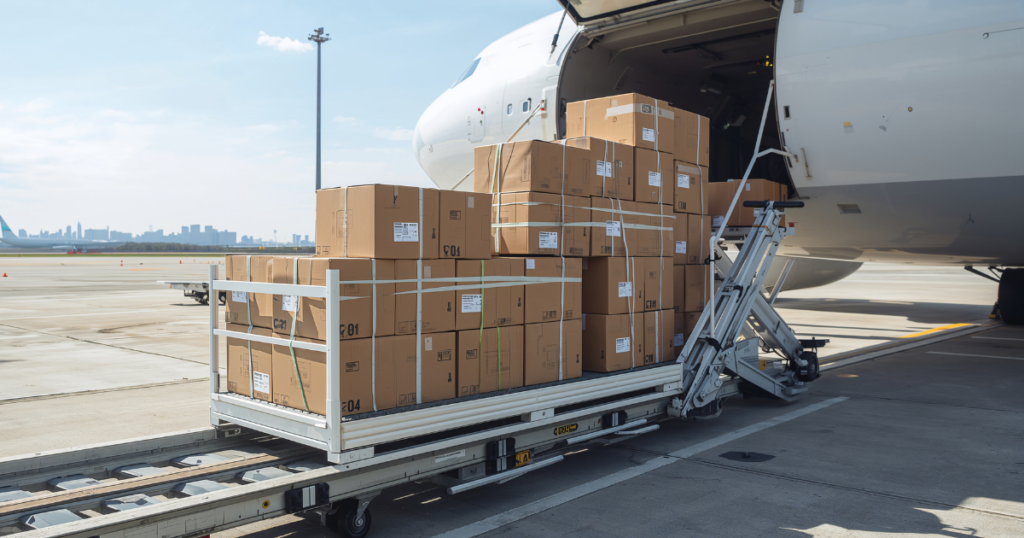
Regulatory pressure is therefore increasing. The EU is preparing major reforms to its VAT and customs framework. The long-standing exemption for parcels under €150 is expected to be removed, meaning that all imports will become subject to customs duties. From 2026, a fixed fee of around €3 per low-value parcel is planned, alongside broader customs reforms aimed at strengthening oversight of cross-border e-commerce flows. In parallel, the “VAT in the Digital Age” initiative and the expansion of the IOSS system are shifting more VAT responsibility to sellers and platforms, with stricter compliance and digital reporting requirements. These changes indicate a move toward tighter regulation and higher operational costs for cross-border sellers.
Looking ahead, cross-border e-commerce in Europe will remain a key growth driver, but with increasing regulatory and operational complexity. Companies that invest in compliant tax structures, transparent data flows, and resilient logistics networks will be better positioned to scale sustainably. At the same time, the ability to integrate logistics, technology, and regulatory compliance will become a decisive factor in navigating Europe’s evolving cross-border e-commerce landscape.
Sources
- European Parliament – data on low-value parcel volumes and EU policy discussions
- European Commission, Directorate-General for Taxation and Customs Union – customs and VAT reforms
- Reuters – reporting on EU parcel volumes and cross-border e-commerce trends
- EU “VAT in the Digital Age” initiative
- Ecommerce Europe – European e-commerce market data
- Avalara – VAT and cross-border tax compliance analysis
- Flexport – global e-commerce logistics insights
- Lexology / VATUpdate – analysis of EU customs and VAT rule changes