
 EN
EN  ZH
ZH 

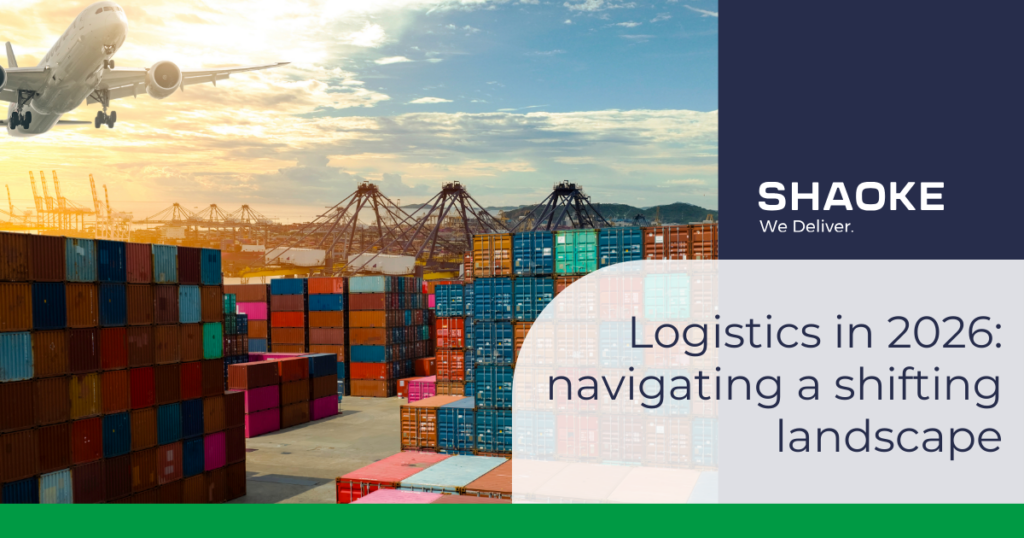
The logistics industry enters 2026 under intense pressure from changing consumer expectations, technological advances, and expanding international trade. Speed and visibility are no longer differentiators – they are baseline requirements. From predictive delivery windows to multi-node network design, logistics partners must deliver reliability while reducing friction in every step of the supply chain. The firms that succeed will be those that balance operational agility with stable, future-ready infrastructure.
AI, automation, and smarter operations
Artificial intelligence is moving from pilot projects to everyday operational roles. AI-driven systems now underpin forecasting, routing, and warehouse execution, automating quoting, booking, and tracking processes that previously relied on manual work. This transition is shortening workflows and enhancing end-to-end visibility across freight and parcel networks, reducing exceptions and improving customer experience. Predictive analytics also allow logistics teams to anticipate disruptions, mitigate delays and optimize carrier performance in real time, making supply chains more resilient.
Sustainability as a baseline expectation
Sustainability is no longer optional. Customers increasingly prefer brands that can demonstrate lower carbon footprints and eco-friendly logistics practices, whether through electric fleets, carbon-tracking dashboards, recyclable packaging, or optimized routing. Across the industry, firms are embedding sustainability into operations rather than treating it as a marketing feature. These efforts not only reduce environmental impact but also influence customer choice and regulatory compliance, reinforcing the importance of sustainability in logistics strategy.
Cross-border growth: more markets, more complexity
International trade and cross-border e-commerce are set for further expansion in 2026 as online marketplaces and multi-channel sellers reach more regions. The demand for seamless cross-border logistics – including warehousing, customs clearance, and reliable last-mile delivery — continues to grow alongside global online sales. Emerging markets in Southeast Asia, Latin America and Africa are contributing to this surge in international demand, while digital adoption and multi-channel platforms help brands tap into these audiences.
This growth brings operational complexity: customs regulations, import duties, tariffs and returns management require specific expertise. Logistics partners that provide integrated landed cost calculations, automated compliance tools, and localized return solutions can significantly enhance the international customer experience and reduce friction for sellers.
Network design and customer-centric service
Finally, logistics networks in 2026 are designed around the customer and the data that predicts their needs. Distributed fulfilment, micro-warehouses and urban hubs help meet fast-delivery expectations, while APIs and platform-based ecosystems integrate carrier data and fulfilment systems for consistent service. These developments give retailers and logistics partners the tools to offer flexible delivery options and accurate tracking – crucial in a world where transparency builds trust and repeat purchases.
Sources
- Logistics AI and automation trends (Unishippers 2026 Shipping and Logistics Report)
- Sustainability and integrated operations trends (Eshipz)
- Cross-border e-commerce and international market growth (Shiprocket X)
- Cross-border logistics market analysis (NextMSC)
- Cross-border compliance and 3PL value (DCL Logistics)
- Platformization and customer-centric fulfillment in Europe (nShift)