
 ZH
ZH  EN
EN 

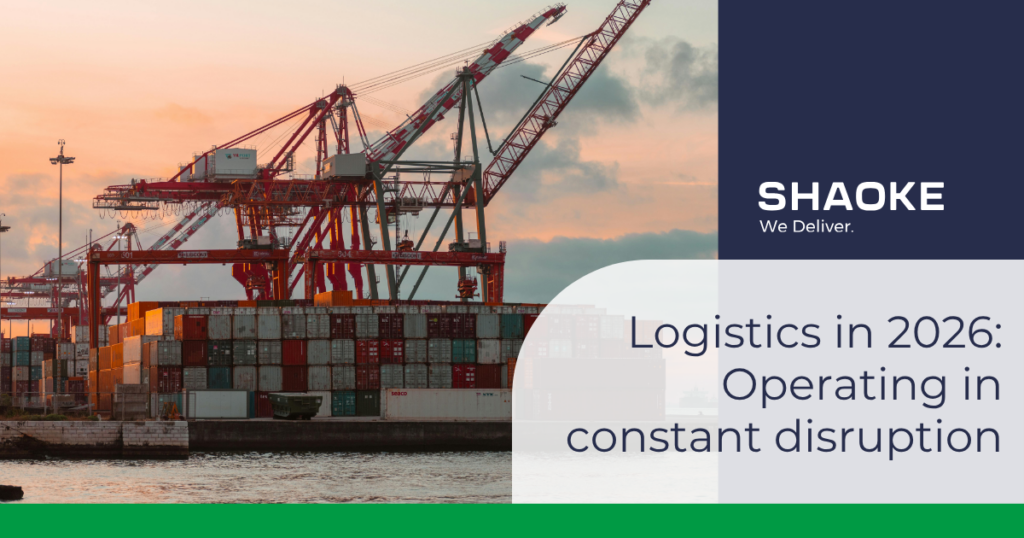
If the past few years were about recovery, 2026 is about instability becoming normal. For logistics and e-commerce, geopolitics is no longer a background factor, it’s directly shaping routes, costs, and daily operations. Multiple disruptions are happening at the same time: conflicts affecting key shipping lanes, new trade agreements reshaping flows, and stricter regulations increasing operational pressure. The result is a supply chain environment where predictability is limited and flexibility is essential.
The most immediate impact comes from the Middle East. The recent escalation involving Iran has already disrupted one of the world’s most critical chokepoints, the Strait of Hormuz. This has forced companies to reroute cargo, use smaller ports, and rely more on overland transport, increasing both cost and complexity. Some carriers are shifting to “land-bridge” solutions across the Gulf just to keep essential goods moving. At the same time, energy markets are reacting quickly, oil prices have surged and are feeding directly into higher fuel and transport costs across the logistics chain.
These disruptions are not isolated. The Red Sea situation is still unresolved, meaning Asia-Europe routes remain unstable. Many vessels continue to divert around Africa, adding 10-14 days to transit times and pushing up freight rates and insurance costs. For e-commerce, where speed and predictability matter, this creates pressure on inventory planning, safety stock, and last-mile performance. Combined with ongoing issues like Panama Canal constraints, the global network is under constant strain.
At the same time, trade itself is being reorganised. New agreements, such as the EU-Australia deal, show a clear move toward diversifying supply chains and reducing reliance on single regions. Companies are actively shifting sourcing and production across multiple regions, not just for cost, but to manage political and regulatory risk. This “multi-hub” approach is becoming standard, replacing the old model of highly centralised global supply chains.
Finally, regulatory pressure and tariffs are adding another layer. Trade professionals increasingly see tariffs and compliance as long-term structural challenges rather than temporary issues. More documentation, stricter controls, and rising scrutiny on origin and classification are slowing down cross-border flows. At the same time, “grey-zone” risks -like cyberattacks or indirect state interference- are becoming more common, adding less visible but very real disruption risks.
For logistics and e-commerce companies, the takeaway is clear: efficiency alone is no longer enough. The focus is shifting toward resilience, diversified routes, better data visibility, and stronger customs capabilities. The companies that adapt fastest to this fragmented and volatile environment will be the ones that keep goods moving, even when the system around them keeps changing.
Sources
- Reuters – Middle East logistics disruption & land routes
- Reuters – Strait of Hormuz supply chain impact
- The Guardian – Energy prices & global economic impact
- Reuters – EU–Australia trade agreement
- Lambda SCS – Geopolitical forces shaping supply chains
- Thomson Reuters – Tariffs & supply chain impact
- GT Review – Grey-zone risks
- Global Trade Magazine – Route disruptions & delays